Access Control Audit Requirements: Documentation and Compliance Best Practices for Physical Security
Published
02.10.2025
Reading Time
x
minute(s)

Contents
Key Takeaways
- Physical access control systems require comprehensive audit trails retained for industry-specific periods, supporting regulatory adherence and incident investigation capabilities for security managers implementing access control
- Visitor management documentation encompasses photo identification verification, escort assignments, and timestamped entry/exit logs for effective physical access control and compliance oversight
- Door controller audit trails capture all physical access attempts—successful access entries, failed access attempts, and forced door events—with immediate security alerting for facilities management teams
- Badge lifecycle documentation from issuance to deactivation ensures accountability and supports security clearance compliance for organizational access management
- Regular quarterly access reviews and annual comprehensive access control audits are essential compliance requirements that security directors should prioritize in their risk management frameworks
Discover automated compliance documentation solutions
Understanding Physical Access Control Audit Requirements
Physical security teams navigate increasingly complex access control audit requirements that extend beyond traditional key management. Modern compliance frameworks demand comprehensive documentation across every aspect of physical access control, from visitor registration to door controller logs and access badge lifecycle management.
Physical access audits examine tangible security measures protecting buildings, facilities, and restricted areas. These access control audits verify that organizations maintain appropriate access controls over physical entry to sensitive locations—ensuring only authorized users gain access while properly documenting all access attempts and access events for compliance and investigation purposes. This differs from logical access audits, which focus on system access and data access permissions.
For security managers and facility directors, understanding this distinction is crucial: physical access control governs who can enter buildings and restricted areas, while logical access control manages who can access information systems and digital resources. Both require comprehensive audit trails, but physical access control audits specifically address tangible security perimeters and access points.
Audit scope encompasses visitor management platforms, door access control systems, badge production and lifecycle management, plus integration with security monitoring systems. Each access control component requires detailed audit trails capable of withstanding regulatory scrutiny.
Core Documentation Requirements
Door Access Control System Logs
Every door controller in an access control system captures and timestamps all access attempts. Essential data includes badge ID, user credentials, door location, date/time stamp, and access result (granted access/denied access).
Failed access attempts require detailed logging with specific denial reasons: invalid badge, time restrictions, area restrictions, or access control system malfunctions. These access control events trigger appropriate security alerts to prevent unauthorized access.
Forced door events and tailgating detection generate immediate alerts to security teams. Modern access control systems detect doors held open beyond normal timeframes or multiple people entering on single badge swipes—critical for preventing unauthorized access.
Administrative activities require separate audit trails documenting when system administrators access door controllers, modify access permissions, or update access control configurations.
Visitor Management Documentation
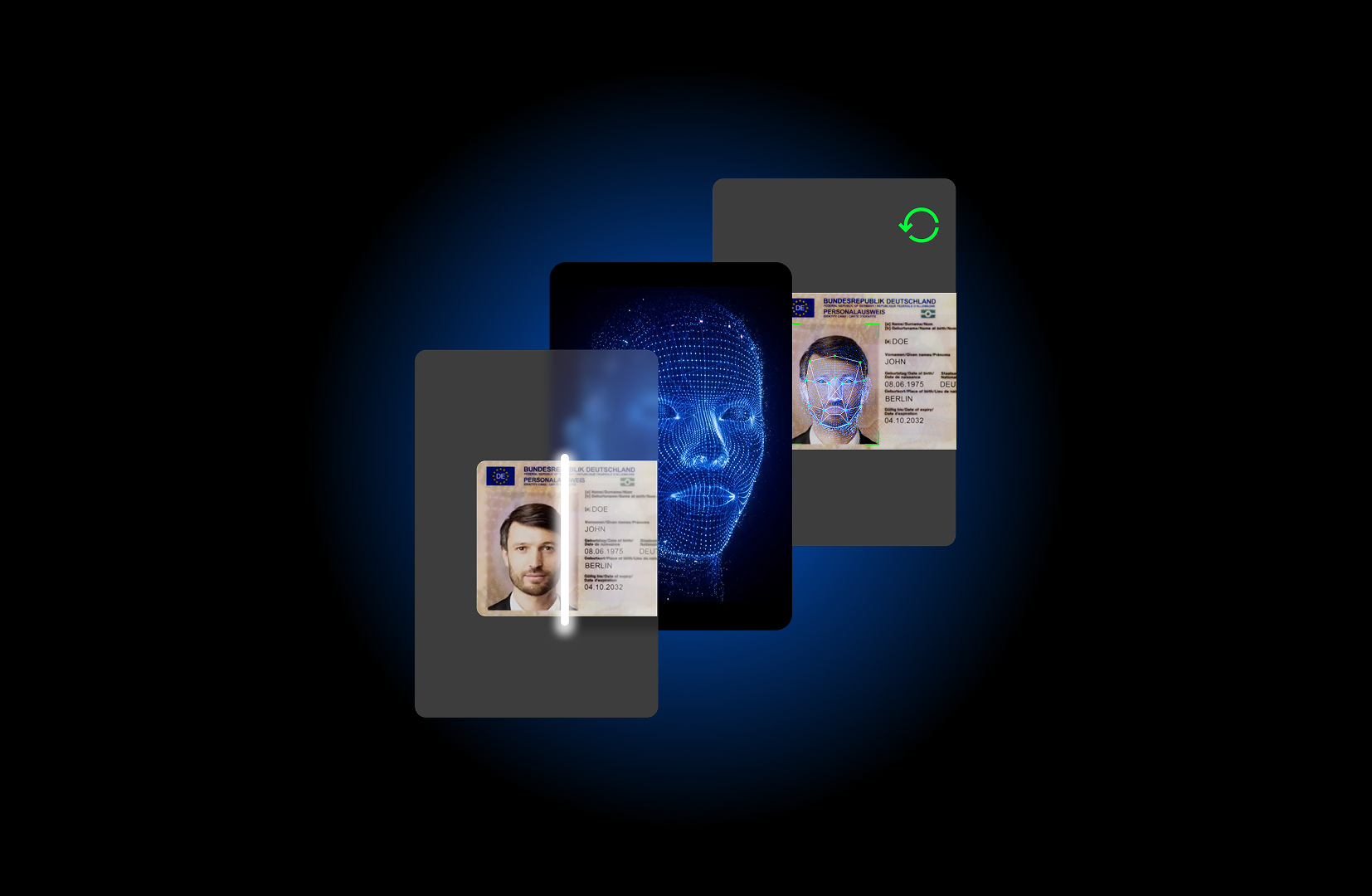
Complete visitor records include identification verification including ID verification and a biometric face match, visit purpose, host information, authorized access areas, and planned duration. Escort documentation becomes critical in high-security environments where access control policies require supervised access. Logs document escort assignments, specific areas visited, and continuous supervision confirmation to restrict access to sensitive areas and limit access to authorized personnel only.
Visitor badge lifecycle tracking from issuance to return prevents unauthorized usage and unauthorized access. Access control systems automatically flag unreturned badges and generate overdue return reports.
Depending on the security level, safety briefings and records are also required for visitors, not only for contractors and vendors.
Badge and Credential Management
Badge management logs document complete lifecycle from access request through deactivation, including requester identity, approval authority, badge number, granted access rights, and issuance timing—all critical components of effective access control.
Access permission changes require documented workflows detailing who requested access modifications, approval authority, specific access changes made, and implementation dates. This ensures access privileges align with required access rights and organizational access policies.
Lost or stolen badge procedures document reporting timelines, immediate deactivation steps through the access control system, replacement issuance, and interim security measures to prevent unauthorized users from exploiting compromised credentials and gaining unauthorized access.
Industry-Specific Compliance Requirements
Note: The following requirements apply primarily to United States facilities. Organizations should consult legal counsel and regulatory experts to determine specific access control requirements for their jurisdiction and industry.
Federal Facility Security Standards
FICAM compliance requires integration with PIV card systems and detailed audit trails for all cardholder activities and access events. Personal Identity Verification (PIV) cards are standardized credentials issued by the federal government based on Homeland Security Presidential Directive-12 (HSPD-12) and FIPS 201-3 standards. Security clearance verification for access control requires maintenance with periodic status checks and immediate access revocation procedures.
SCIF („Sensitive Compartmented Information Facility“) access control logs require enhanced documentation including facility security officer approval, security briefing completion, and continuous escort verification to control access to classified information.
Critical Infrastructure and Manufacturing
Export control compliance (ITAR/EAR) requires detailed foreign national access documentation, nationality verification, export license compliance, and area-specific access restrictions. The International Traffic in Arms Regulations (ITAR) and Export Administration Regulations (EAR) govern defense-related articles and dual-use items, requiring organizations to document and control all access to controlled technology and technical data through robust access control systems.
Chemical facility security (CFATS) mandated comprehensive access controls with personnel surety verification and continuous monitoring documentation of access to restricted areas. Note: The Chemical Facility Anti-Terrorism Standards program statutory authority expired on July 28, 2023, though facilities are encouraged to maintain security measures and access control protocols voluntarily.
Financial Institutions
Federal banking regulations require comprehensive access control documentation for vault areas, safe deposit facilities, and cash handling locations. Dual-person access requirements receive clear logging to ensure secure access control.
Healthcare Facilities
HIPAA physical safeguards require comprehensive access control documentation for protected health information storage areas, including medical records rooms, server facilities, and patient care areas where access control is critical for protecting sensitive information. Under HIPAA regulations (45 CFR §164.316), access control documentation must be retained for a minimum of six years from the date of creation or the last date the documentation was in effect, whichever is later.
DEA compliance for pharmaceutical storage may require dual-person access control, detailed access documentation, and inventory reconciliation procedures to prevent unauthorized access to controlled substances.
Audit Trail Retention and Data Protection
Retention Requirements
Retention periods for access control logs vary significantly by industry and jurisdiction. Organizations should determine specific access control audit requirements through legal consultation:
- General business facilities typically retain basic access control logs for 1-3 years
- Financial services often require 5-7 years for high-security area access logs, with Sarbanes-Oxley (SOX) requiring seven years for financial systems access logs
- https://www.hipaajournal.com/hipaa-retention-requirements/
- Federal contracts may require 3-7 years for access control documentation depending on agreements
Data Protection Considerations
Audit data storage requires compliance with applicable privacy regulations. Physical access control logs often contain personal data requiring special protection measures. Ideally, organizations should implement data protection by design principles when storing visitor and employee access information in access control systems.
When storing audit data—particularly visitor and employee access records—organizations must carefully balance compliance documentation requirements with privacy protection obligations. Personal data collected through access control systems requires appropriate technical and organizational measures to ensure confidentiality, integrity, and availability while meeting regulatory audit trail requirements for access control.
For comprehensive guidance on privacy-compliant audit data management and GDPR compliance strategies for access control systems, refer to data protection best practices.
Implementing Effective Audit Programs
Regular Access Reviews vs. Real-Time Monitoring
Access Reviews involve periodic examination of historical access events and access permission verification—a critical governance function for security managers implementing access control:
- While not legally mandated, best practices such as quarterly reviews for high-security areas and annual access certifications help ensure consistent oversight and compliance with governance frameworks (e.g., ISO 27001, NIST SP 800-53, SOC 2).
- Role-change triggered access permission updates coordinated with HR systems
- Terminated employee access verification ensuring immediate access revocation across all access control systems
Real-Time Monitoring provides continuous, live oversight of physical access activities—essential for operational security teams managing access control:
- Immediate alert generation for suspicious access events requiring security response
- Automated anomaly detection identifying unusual access patterns in access control systems
- Live dashboard monitoring of physical access patterns for security operations centers
- Instant security notifications for access policy violations requiring immediate investigation
Effective access control programs combine real-time monitoring with regular access reviews: the first addresses immediate operational risks, the latter ensures long-term compliance and governance.Security directors should establish clear processes distinguishing between operational alerts (requiring immediate response) and compliance reviews (requiring documentation and approval workflows for access control).
Audit Preparation Best Practices
Documentation organization ensures audit readiness through centralized file maintenance and complete audit trail verification of access control activities. Regular mock audits help identify gaps in access control documentation before formal reviews.
Staff training covers access control documentation requirements, audit procedures, and accurate record-keeping importance. Continuous improvement processes update access control procedures to meet evolving regulatory requirements.
Technology Solutions for Compliance
Integrated Access Control Systems
Cloud-based access control platforms provide centralized management across multiple locations with standardized audit logging and automated compliance reporting capabilities for access control.
The use of biometric identification adds a additional security layer, preventing credential sharing and strengthening identity verification for secure access control.
Automated Compliance Support
Integration with monitoring systems correlates physical access events with broader security data for comprehensive threat detection and access control compliance reporting.
Automated dashboard development provides real-time audit readiness visibility, tracking metrics like overdue access reviews, unreturned badges, and maintenance requirements for access control systems.
Common Audit Deficiencies and Solutions
Frequent issues include unreturned visitor badges, retained access for transferred employees, inadequate access control log retention, and incomplete escort documentation for restricted access areas.
Solutions involve automated badge tracking systems, HR integration for automatic access control updates, enhanced visitor management procedures with identity verification and automated audit trails replacing manual access control systems.
Conclusion
Access control audit requirements continue evolving as organizations face sophisticated threats and complex regulatory environments. Success requires robust access control systems, comprehensive documentation procedures, and proactive compliance management.
Investment in automated audit trail generation, regular access reviews, and continuous monitoring capabilities provides improved security posture, reduced compliance risk, and enhanced organizational reputation. Organizations balance comprehensive access control documentation requirements with privacy protection obligations while maintaining effective physical access control and logical access control.
FAQs
Retention periods for access control logs vary by industry and jurisdiction. Organizations should consult legal counsel to determine specific access control requirements, typically ranging from 1-3 years for general business to 6+ years for regulated industries such as healthcare (6 years under HIPAA) and 5-7 years for financial services.
Essential data includes badge ID, user identity, door location, precise timestamp, access result (granted access or denied access), and denial reasons. Additional access control requirements may include administrative activities and security event documentation as specified in compliance frameworks like PCI DSS Requirement 10.
Most access control frameworks suggest quarterly reviews for high-security areas and comprehensive annual reviews for general access permissions. Role changes and terminations trigger immediate access reviews to ensure proper access control.
Access control requirements include identification verification with ID verification and a biometric face match, visit purpose, host information, authorized areas, escort assignments (when required), entry/exit timestamps, and badge return confirmation, retained according to applicable access policies.
Share this article
.webp)